E-commerce Digital Marketing: A Complete Guide 2025
Running a small business requires much more than great products; it demands a clever digital marketing strategy and resources to follow that strategy through. Whether you’re just starting out or looking to better your existing strategy, we’ve put together a comprehensive guide to help you navigate w
Operating a small business entails more than just offering quality products; it requires a savvy digital marketing plan and the means to execute that plan effectively. Whether
you’re at the beginning of your journey or aiming to enhance your current approach, we’ve compiled a thorough guide to assist you in navigating the intricate realm of e-
commerce digital marketing. From creating an eye-catching website to tapping into the potential of social media and data analytics, we’ll address everything you need to
formulate a marketing strategy that attracts visitors, increases sales, and expands your business. Pour yourself a drink. There’s plenty to absorb!
Mastering the Art of E-Commerce Digital Marketing
E-commerce digital marketing is about leveraging online tools and strategies to increase your store’s visibility, attract customers, and drive sales. It’s not just about being present online; it’s about being effective. To start, let’s break down the key components that make up a successful e-commerce marketing strategy:
The e-commerce landscape
Globally, the e-commerce market is thriving, with more consumers turning to online shopping than ever before, and the stats will likely continue to grow. This presents both challenges and opportunities for small businesses. While you’re up against larger competitors, investing time and money is important as there are unique ways to reach and engage with your target audience. Understanding the e-commerce landscape will allow you to position your business better to stand out and succeed online.
Why having a well-structured digital marketing strategy matters
A well-crafted digital marketing strategy is essential for several reasons:
• Visibility: With millions of websites and online stores, standing out requires strategic planning.
• Engagement: Engaging with your audience through various channels helps build trust and loyalty.
• Conversion: Effective marketing strategies convert visitors into paying customers, driving revenue and growth.
Designing an Effective E-Commerce Platform
Your website is the cornerstone of your e-commerce business. It’s where customers browse, compare, and purchase your products. Here’s how to ensure your website is not only attractive but also effective.
User experience, or “UX” for short
User experience is a critical component of your site’s success. If visitors find it difficult to navigate or slow to load, they will likely abandon their shopping journey, and you can’t blame them!
So, here’s how to enhance UX:
• Easy navigation: Design your site with clear, easy-to-use menus and product categories. Make sure customers can find what they’re looking for quickly.
• Calls-to-action or “CTAs”: Use CTAs that guide users towards key actions, such as purchasing or signing up for your newsletter. These can be in the form of buttons or text links.
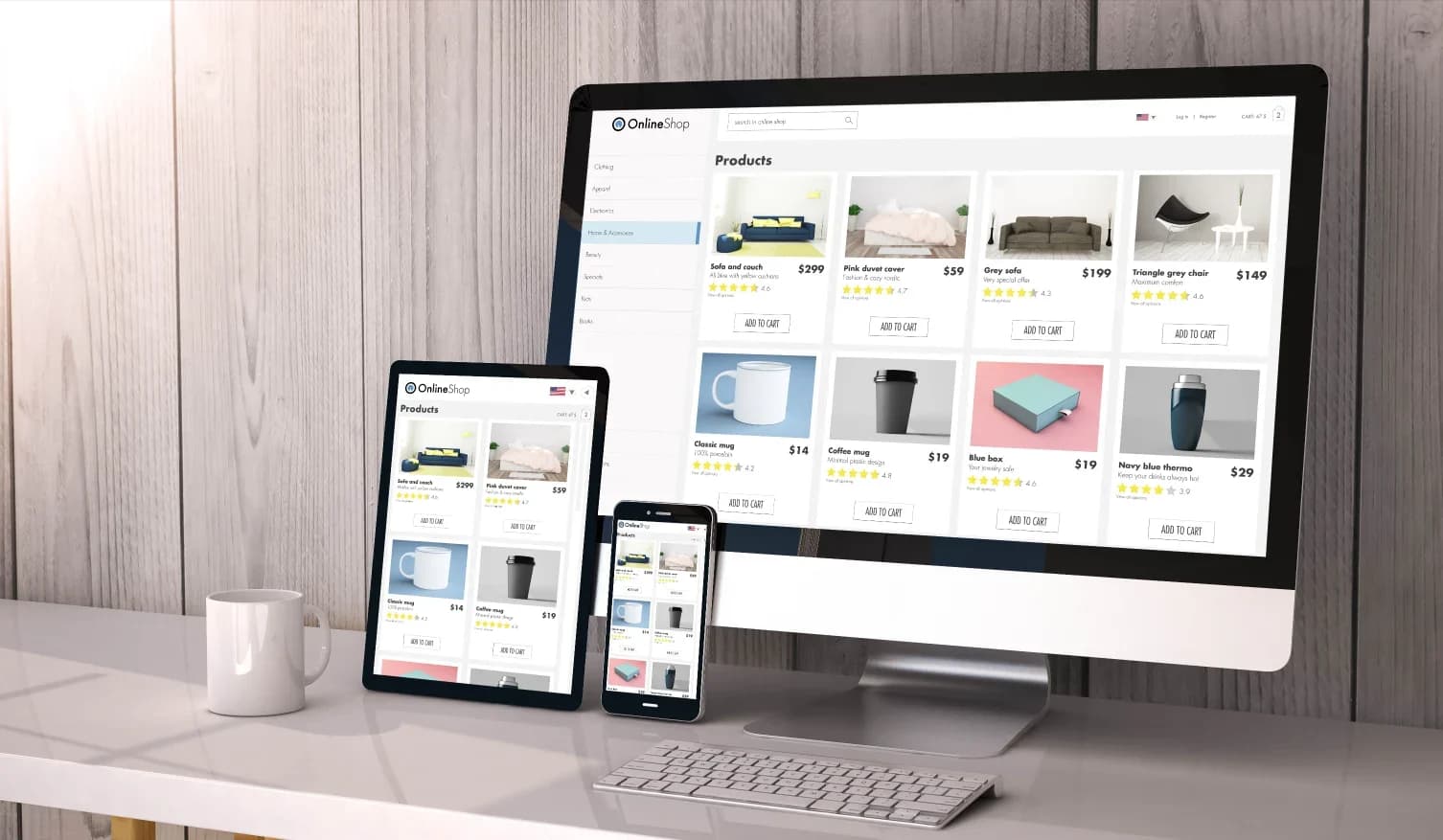
• Mobile-friendly design: With a record number of users shopping on mobile devices, ensure your site is responsive and looks great on all screen sizes. As of 2024, the figures show that most users are using their mobile at 61.95%.
• Speed optimisation: A slow website can frustrate users and lead to high bounce rates. You can optimise images, streamline code, and use caching to improve load times.

Mastering Search Engine Optimisation (SEO)
SEO is crucial for increasing your site’s visibility in search engine results. We love getting stuck into SEO, and here’s how you can get it right:
Comprehensive keyword research
Keyword research is the foundation of effective SEO. Every good SEO campaign should start with this step, and it involves identifying the terms and phrases your potential customers use to search for similar products or services. Use tools like Google Keyword Planner or Ahrefs to find relevant keywords. Aim for a mix of broad terms (e.g., “men’s shoes”) and long-tail keywords (e.g., “affordable waterproof men’s shoes”). The long-tail keywords will generally be easier to rank for as there is less competition.
Optimising on-page elements
Once you’ve identified your target keywords, it’s time to integrate them into your website’s content:
• Titles and meta descriptions: When you perform a Google search, these are the parts which appear on the Search Engine Results Page (SERP for short). So, write engaging titles and meta descriptions that incorporate your primary keywords. These elements appear in search results and can influence click-through rates. Ensure they are both the correct length. Meta titles should be no longer than 60 characters, and meta descriptions should be no longer than 160 characters to avoid truncation.
• Heading and subheading structure: Use headings (H1, H2, etc.) to structure your content and make it easier for users and search engines to understand. We’ve written a complete guide on how to correctly structure your headings for SEO on all platforms.
• Product descriptions: Write detailed, keyword-rich descriptions for each product. Highlight features, benefits, and unique selling points to attract search engines and potential buyers.
Technical SEO essentials
Technical SEO ensures that search engines can crawl and index your site efficiently. Key aspects include:
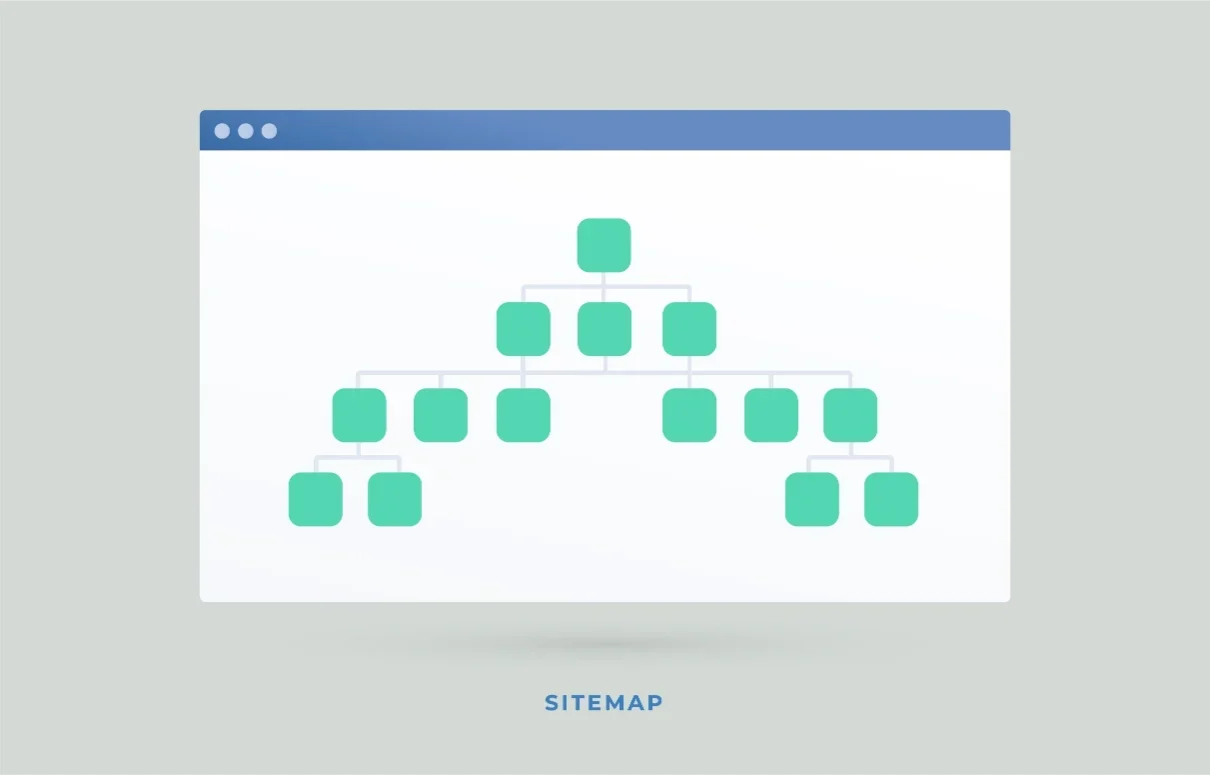
• Site structure: A clear and logical site structure with a sitemap will help search engines navigate your site.
• Schema markup: Implement schema markup to enhance your products’ appearance in search results, including additional information like prices and ratings.
• Mobile usability: Ensure your site is mobile-friendly and performs well on all devices, as mobile usability is a ranking factor for search engines.
Building quality backlinks
As all SEOs will agree, building backlinks is the hardest part of SEO. It’s costly, time-consuming, and takes a lot of effort, but when done right, it is arguably the most powerful thing you can do to improve your website’s rankings in the search results.
Backlinks from reputable, authoritative and relevant sites will boost your site’s authority and improve search rankings. Here’s how to build quality backlinks:
• Guest blogging: Write valuable content for other blogs in your industry and include a link back to your site. Connectively is a great, free way to start with this, as is responding to posts on X marked with the hashtag #JournoRequests, short for Journalist Requests.
• Shareable content: Create high-quality content, such as infographics, tools or industry reports, that others will want to link to.
• Industry engagement: Participate in forums, communities, and industry-related discussions to build relationships and earn backlinks.
Leveraging content marketing
Content marketing helps attract, engage, and convert your audience by providing valuable and relevant information. Here’s how to use content effectively:
Blogging and articles
Regularly publishing blog posts is a great way to engage your audience and improve SEO. Write about topics relevant to your industry or products, such as:
• Product guides: Create detailed guides on how to use your products or compare them with alternatives.
• Industry trends: Share insights and updates about industry trends or news that might interest your audience.
• How-to Articles: Provide valuable tips and tricks that address common problems or questions about your niche.
Write Strong Product Descriptions
Product descriptions play a key role in convincing customers to make a purchase. Here’s how to write descriptions that sell:
• Highlight the benefits: Focus on how your product solves problems or improves the customer’s life.
• Use persuasive language: Employ compelling and descriptive language to make your products stand out.
• Include keywords: Integrate relevant keywords naturally to enhance SEO and attract search traffic.
For a detailed guide on writing compelling, SEO-optimised product descriptions that increase engagement and drive conversions, check out our full article: How to Write Strong Product Descriptions to Boost SEO and Drive Sales
Encouraging user-generated content (UGC)
User-generated content, such as reviews and testimonials, adds credibility and trustworthiness to your brand. Encourage customers to share their experiences and showcase their content on your site. Here’s how:
• Request reviews: Ask customers to leave a review or feedback on your site after a purchase.
• Feature testimonials: Highlight positive reviews and testimonials on your product pages or homepage.
• Share social media content: Encourage customers to tag your brand in their posts and share it on your channels.
Embracing video marketing
Videos are an engaging way to showcase your products and connect with your audience. Consider creating:
• Product demonstrations: Show how your products work, highlighting their features and benefits.
• Unboxing videos: Share the excitement of unboxing new products, providing a closer look at what customers can expect.
• Customer testimonials: Record satisfied customers’ positive experiences with your products.
Social media marketing strategies

Social media is a powerful tool for reaching and engaging with your audience. Here’s how to make the most of it:
Selecting the right platforms
Choose social media platforms that align with your target audience and business goals. For instance:
• Instagram: Ideal for visually appealing products and engaging with a younger audience.
• Facebook: Useful for reaching a broad demographic and running targeted ads.
• LinkedIn: Best for B2B e-commerce and connecting with other businesses in your industry.
Balancing organic and paid strategies
Combine organic social media efforts with paid advertising to maximize your reach:
• Organic posts: Share regular updates, promotions, and engaging content to build a community around your brand.
• Paid ads: Use social media ads to target specific demographics and drive traffic to your site. Platforms like Facebook and Instagram offer robust targeting options.
Partnering with influencers
Influencer marketing can help you reach new audiences and build credibility. To make the most of influencer partnerships:
• Identify relevant influencers: Look for influencers whose followers align with your target audience and are genuinely interested in your products.
• Collaborate on content: Work with influencers to create authentic content that showcases your products in a relatable way.
• Track performance: Monitor the performance of your influencer campaigns to assess their impact and adjust your strategy as needed.
Email marketing campaigns

Email marketing is a powerful way to nurture leads and drive sales. Here’s how to craft effective email campaigns:
Building and segmenting your email list
A well-segmented email list allows you to send targeted content to different groups of subscribers. To build and segment your list:
• Offer incentives: Use lead magnets such as discount codes or free resources to encourage sign-ups.
• Segment by behaviour: Group your subscribers based on their behaviour, such as purchase history or browsing activity.
• Personalise content: Tailor your email content to the interests and preferences of each segment.
Personalising and automating campaigns
Personalised and automated emails can enhance engagement and conversions:
• Welcome emails: Send a personalised welcome email to new subscribers, introducing them to your brand and offering a special discount.
• Abandoned cart emails: Remind customers who have left items in their cart to complete their purchase, potentially offering a discount to encourage conversion.
Re-engagement campaigns
Re-engagement emails target inactive subscribers or customers to rekindle their interest. Implement these strategies:
• Win-back offers: Send special offers or discounts to customers who haven’t interacted with your brand recently.
• Survey feedback: Ask inactive subscribers why they’ve disengaged and use their responses to improve your offerings.
• Personalised recommendations: Based on past purchases or browsing history, suggest products they might be interested in.
Harnessing the power of analytics
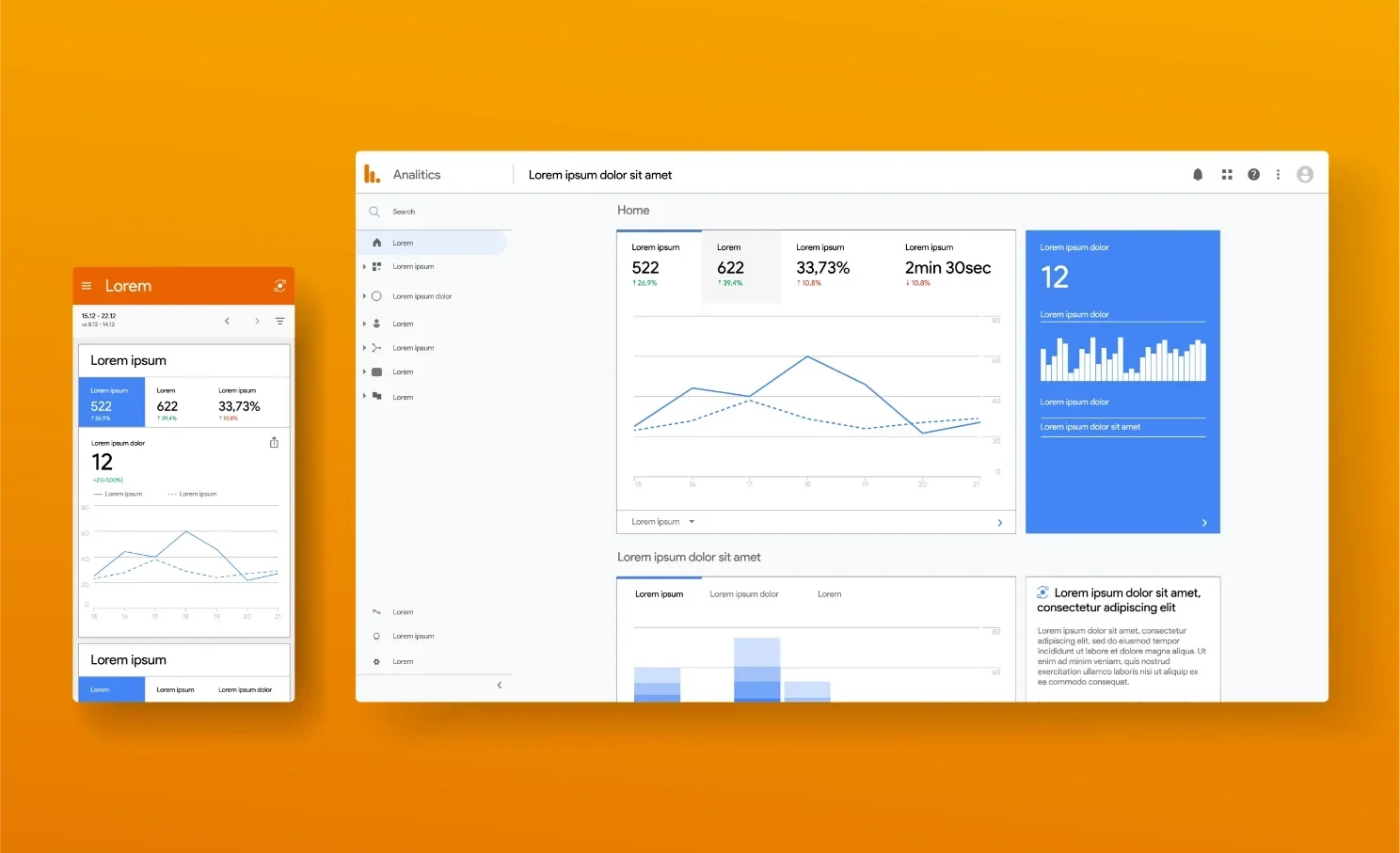
Analytics provide valuable insights into how well your marketing efforts are performing. Understanding your data enables you to make informed decisions to optimise your strategies.
Tracking key metrics
Monitor essential metrics to gauge the success of your e-commerce marketing:
• Website traffic: Use tools like Google Analytics to track the number of visitors to your site and their behaviour.
• Conversion rates: Measure how many visitors complete desired actions, such as purchasing or signing up for a newsletter.
• Customer acquisition cost (CAC): Calculate how much you’re spending to acquire each new customer and assess the efficiency of your marketing spend.
• Return on investment (ROI): Evaluate the profitability of your marketing campaigns by comparing the revenue generated to the costs incurred.
Using analytics for optimisation
Use your analytics data to refine your strategies:
• A/B testing: Conduct A/B tests on various elements, such as email subject lines or landing page designs, to determine what works best.
• Customer insights: Analyse customer behaviour to identify trends and preferences, helping you tailor your marketing efforts.
• Performance reporting: Review your performance reports regularly to track progress and adjust your strategies based on what’s working and what’s not.
Implementing paid advertising strategies
Paid advertising can effectively drive targeted traffic and boost sales. Here’s how to make the most of your ad spend:
Choosing the right ad platforms
Select platforms that align with your audience and business goals:
• Google ads: Ideal for capturing high-intent traffic through search ads and display ads across the Google network.
• Social media ads: Use platforms like Facebook, Instagram, and LinkedIn for targeted ads based on demographics, interests, and behaviour.
• Retargeting ads: Reach users who have previously visited your site but didn’t convert, encouraging them to return and complete their purchase.
Creating effective ad campaigns
Craft ads that capture attention and drive action:
• Compelling ad copy: Write clear and persuasive ad copy highlighting your unique selling points and including a strong call to action.
• Engaging visuals: Use high-quality images or videos that resonate with your target audience and effectively showcase your products.
• Targeting and segmentation: Utilise advanced targeting options to reach the right audience based on their interests, location, and behaviour.
Monitoring and optimising ad performance
Regularly review your ad performance and make adjustments to improve results:
• Performance metrics: Track key metrics such as click-through rates (CTR), conversion rates, and cost-per-click (CPC) to evaluate the effectiveness of your ads.
• Budget management: Adjust your ad spend based on performance to maximise your return on investment.
• Creative testing: Test different ad creatives to determine which resonate best with your audience.
Engaging with your audience
Building strong relationships with your customers is crucial for long-term success. Here’s how to engage effectively:
Building a community
Foster a sense of community around your brand to encourage customer loyalty:
• Social media interaction: Respond to comments and messages on social media to build rapport and show that you value your customers’ feedback.
• Online forums and groups: Participate in industry-related forums and groups to share your expertise and connect with potential customers.
• Customer events: Host online events, webinars, or workshops to engage with your audience and provide valuable insights.
Providing excellent customer service
Exceptional customer service can set you apart from competitors and drive repeat business:
• Responsive support: Offer timely and helpful support through various channels, including email, live chat, and social media.
• Clear policies: Ensure your return, exchange, and shipping policies are clear and accessible to avoid misunderstandings.
• Personalised communication: Address customers by name and tailor your responses to their needs and concerns.
Encouraging customer reviews and testimonials
Positive reviews and testimonials can significantly influence potential buyers:
• Ask for reviews: Encourage customers to leave reviews on your site or third-party review platforms after purchasing.
• Showcase testimonials: Display positive reviews and testimonials on your website to build trust with new visitors.
• Respond to feedback: Acknowledge and address positive and negative feedback to demonstrate your commitment to customer satisfaction.
Staying ahead of the curve: Trends to watch

E-commerce constantly evolves, and staying updated with the latest trends can give you a competitive edge. Here are some key trends to watch for in 2024:
Artificial Intelligence (AI)
AI is transforming e-commerce by enhancing personalisation and streamlining operations:
• Chatbots: Use AI-powered chatbots to provide instant customer support and answer common queries.
• Personalised recommendations: Leverage AI to offer tailored product recommendations based on customer behaviour and preferences.
• Predictive analytics: Utilise AI to predict trends and forecast demand, helping you make data-driven decisions.
Exploring Omnichannel Retailing
Omnichannel retailing integrates various sales channels to provide a seamless shopping experience:
• Unified experience: Ensure consistency across your online store, social media, and physical locations (if applicable) to deliver a cohesive customer experience.
• Cross-channel promotions: Promote your products and offers across multiple channels to reach customers where they are most active.
• Integrated inventory management: Use omnichannel solutions to manage inventory efficiently and avoid stockouts or overstocking.
Adopting sustainable practices
Consumers are increasingly valuing sustainability, and incorporating eco-friendly practices can enhance your brand’s reputation:
• Eco-friendly packaging: Opt for sustainable packaging materials and reduce waste in your shipping process.
• Ethical sourcing: Source your products from suppliers who adhere to ethical and environmentally friendly practices.
• Transparency: Communicate your sustainability efforts clearly to customers and highlight the positive impact of their purchases.
Conclusion
A successful e-commerce digital marketing strategy involves effective website design, SEO, content marketing, social media engagement, email campaigns, and analytics. By focusing on these key areas and staying updated with the latest trends, you can build a strong online presence, attract and retain customers, and drive business growth.
As a small business owner, your digital marketing journey is an ongoing learning and adaptation process. Use the insights from this guide to refine your approach, experiment with new strategies, and continuously improve your marketing efforts. With dedication and a strategic mindset, you’ll be well on your way to achieving e-commerce success and growing your business in 2024 and beyond.
Feel free to reach out if you have any questions or need assistance implementing these strategies. Best of luck moving forward!